Marathon Racing gear | Sublimation Printing Technology
What is Heat Transfer Printing? — A "Permanent Marriage" at the Molecular Level
Heat transfer printing is essentially a chemical reaction that takes place at the molecular level. Rather than simply "sticking" pigments onto the fabric surface, this process allows dye molecules to penetrate deep into the fibers, becoming part of the material itself. The workflow can be broken down into three steps:
- Printing the transfer paper – A specialized heat-transfer ink is used to print the desired design onto dedicated transfer paper.
- High-temperature sublimation – The transfer paper is placed against the fabric and fed into a heat press, where the temperature reaches approximately 190–210°C (about 446°F). This intense heat causes the solid dye ink to sublimate directly into a gaseous state.
- Cooling and fixation – Simultaneously, the high heat "opens up" the molecular gaps within the polyester fabric, allowing the vaporized dye to fully penetrate the fiber interior. Upon cooling, the dye reverts to a solid form and is firmly locked in place by the contracting fibers, becoming seamlessly integrated with the fabric.
In simple terms, heat transfer printing is not like "putting on" a printed "outer layer" onto the garment; rather, it is like permanently dyeing each individual fiber with vibrant, lasting color.
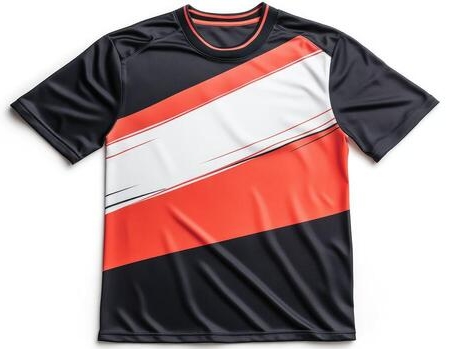
Why is it the preferred choice for marathon racing uniforms? – Five core advantages
For marathon racing uniforms that must endure a 42.195‑km challenge, frequent washing, and prolonged sun exposure, the benefits of heat transfer technology are nearly irreplaceable:
- Ultra‑comfortable – No gel film on the surface. The dye fuses into fibers, preserving the fabric's original softness, elasticity, and breathability. Feels the same as unprinted areas.
- Extremely durable – Color is embedded within fibers, not coated on top. Will not crack, peel, or fade – even after countless wash and abrasion cycles. Lasts as long as the garment itself.
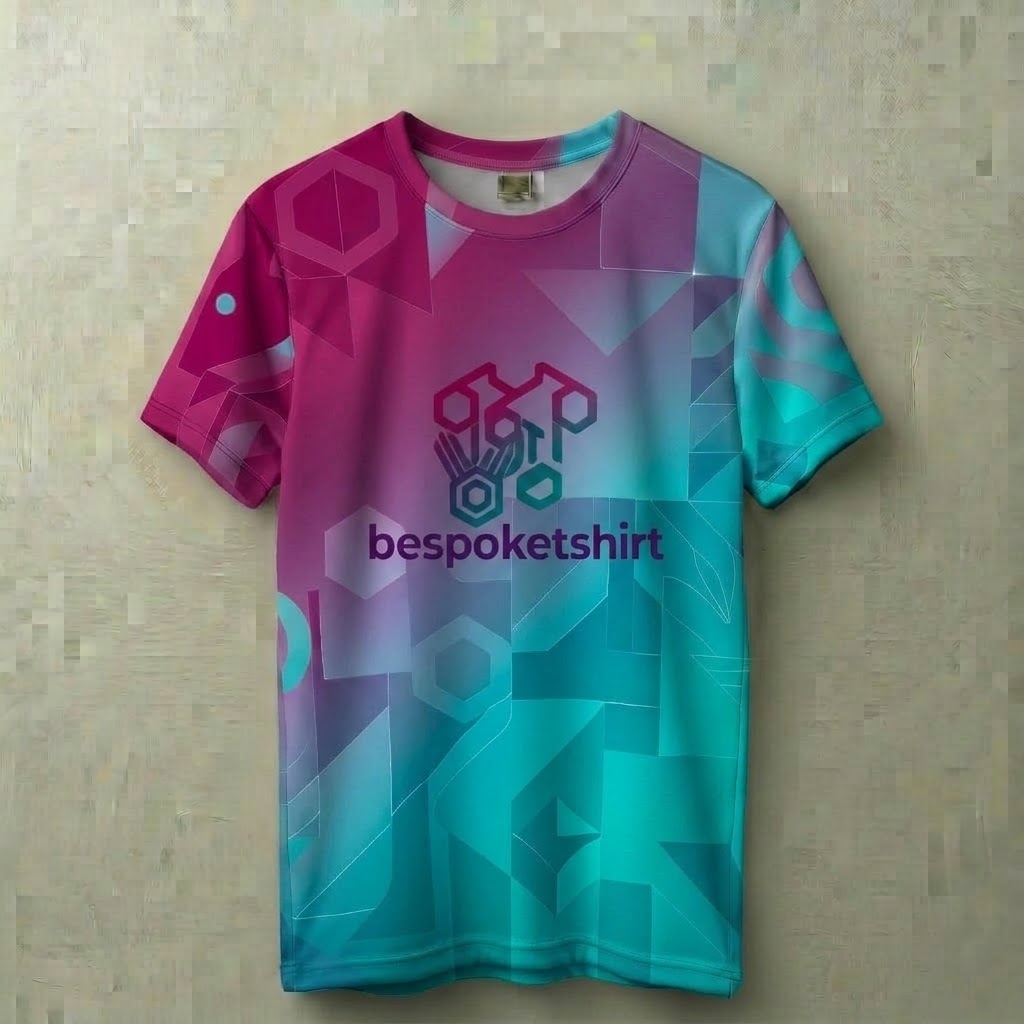
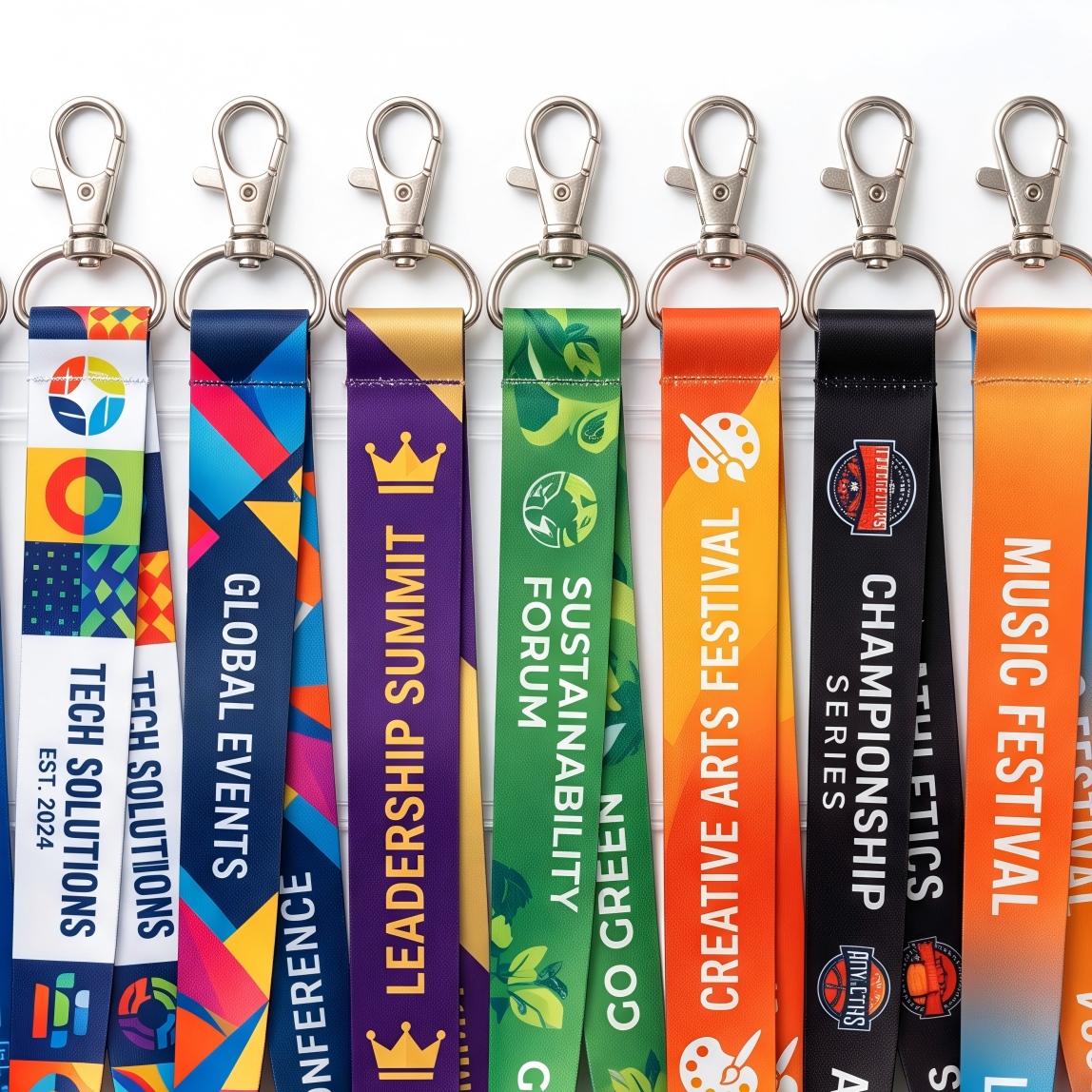
- Design freedom – Full‑color, full‑coverage printing at no extra cost. Complex designs, multiple colors, and multiple logos add zero cost. Achieves seamless all‑over patterns with photo‑quality clarity and smooth gradients.
- No performance loss – Does not block fabric micropores. Preserves moisture wicking, sweat evaporation, and quick‑drying functions – essential for runners who rely on fabric technology.
- Batch efficiency – No plate‑making required. Scales flexibly from small batches to mass production. Cost‑effective for events supplying thousands of participants.
Limitations of Thermal Sublimation (What You Need to Know)
Despite its significant advantages, thermal sublimation has its own set of rules. Understanding these limitations will help you avoid costly mistakes:
| Limitations |
Detailed Explanation |
| Fabric restrictions |
Only suitable for fabrics with a high polyester content. The higher the polyester percentage, the better the result – 100% polyester delivers the best performance. Cotton and blended fabrics are not compatible. |
| Background color restriction |
Requires white or light‑colored base fabrics. Dark backgrounds cannot produce vibrant, bright colors. |
| Color presentation |
Not suitable for dark fabrics. Additionally, color saturation may be slightly lower compared to some other printing techniques in certain cases. |
Production Process: From Design to Finished Garment
Understanding the production sequence of heat transfer printing is essential to ensuring final quality. The process follows a fixed order:
- Design – Treat the entire garment as a canvas and create a full‑coverage (all‑over) design.
- Print transfer paper – Print the design onto special heat transfer paper using sublimation inks.
- Heat transfer – Under high temperature and high pressure, transfer the pattern from the paper onto a flat piece of polyester fabric.
- Cutting – Cut the printed fabric into individual garment panels, such as the front, back, and sleeves, according to the pattern layout.
- Sewing – Sew all panels together to assemble the finished garment.
Key principle: Print first, then cut, then sew. This sequence ensures that the pattern flows continuously across seams, achieving a seamless visual effect – literally "what you see is what you get."
Summary: Why is heat transfer the go‑to solution for marathon uniforms?
Marathon race apparel must meet three seemingly contradictory requirements at once:
- Vibrant, eye‑catching visuals – to showcase the event brand and numerous sponsors
- Exceptional wearing comfort – to endure the 42.195‑km challenge;
- Outstanding durability – to withstand frequent washing and intensive use.
Heat transfer printing is the only process that delivers on all three fronts simultaneously. It permanently embeds the color deep into the fibers without adding any weight, thickness, or compromising breathability. That is the fundamental reason why it has become the preferred decoration method for high‑performance sportswear – from marathon and football kits to cycling jerseys.